
Hotel Water Damage Restoration San Diego, CA
Protecting Your Revenue and Reputation with Professional Commercial Drying
When a pipe bursts on the fourth floor of a San Diego hotel, the clock doesn't just start on the physical damage; it starts on your lost room nights. You aren't just dealing with wet carpets; you're managing guest expectations, brand reputation, and the logistical nightmare of a multi-room block going offline. We understand that in the hospitality sector, "closed for repairs" is a phrase that costs you more than just the price of the restoration. Our approach focuses on rapid occupancy restoration, ensuring that unaffected floors stay operational while we contain the loss and begin the extraction process immediately.
We follow the IICRC S500 standard to the letter because we know your insurance adjuster will be looking for that level of professional rigor. Our experienced technicians begin with comprehensive moisture mapping to track exactly where the water migrated—whether it’s behind the vinyl wallcoverings or deep into the subfloor assemblies. By using psychrometric readings, we don't guess if a room is dry; we prove it with data. This level of documentation is vital for your scope of loss report and ensures your claim moves through the system without the typical friction of missing structural drying logs.
Whether you are dealing with a Category 2 water intrusion from a failed HVAC line or a Category 3 contaminated water event, our crews use commercial desiccant dehumidification to pull moisture out of the air and structural materials faster than standard equipment ever could. This is especially critical in San Diego, where the coastal marine layer can often trap humidity inside a building and slow down natural evaporation. We prioritize guest room drying protocols that minimize demolition, often saving expensive finishes and custom cabinetry that would otherwise take weeks to replace. You need a partner who understands that every hour saved in the drying phase is an hour closer to your next check-in.
Our licensed operators handle hotel water damage restoration with upfront pricing, fully insured equipment, and 24/7 availability throughout San Diego, CA.
Hotel Water Damage Restoration San Diego, CA
Why San Diego Hoteliers Trust Our Technical Approach to Drying
The primary benefit of professional hotel water damage restoration is the preservation of your property's daily revenue and long-term brand reputation. In the hospitality sector, a single burst pipe on an upper floor doesn't just damage a room; it often creates a vertical wet column that can take dozens of keys out of your inventory in a matter of hours. By bringing in our team of certified technicians, you ensure that moisture mapping is performed immediately to identify exactly where water has migrated behind vinyl wallpaper and under commercial-grade carpeting. This precision prevents the unnecessary demolition of guest rooms that are actually dry, while ensuring that truly affected areas are addressed before mold can take hold and trigger a health inspection failure.
In San Diego, where coastal humidity can often stall natural evaporation, we employ commercial desiccant dehumidification to pull moisture from deep within the building's structural assemblies. This isn't just about surface drying; it’s about meeting the IICRC S500 standard to ensure your subfloors and wall cavities reach their specific dry goals. We provide the detailed insurance adjuster documentation and psychrometric readings required to justify the scope of loss, which streamlines the claims process for your procurement team. This technical rigor protects you from future liability and ensures that when a guest room is cleared for occupancy, it is truly safe for your guests and free from the musty odors that lead to negative online reviews.
-
Rapid occupancy restoration protocols designed to get guest rooms back into the booking rotation quickly.
-
Precision moisture mapping that identifies hidden water behind wallpaper to prevent long-term mold growth.
-
Adherence to IICRC S500 standards to ensure structural integrity and guest safety across all affected floors.
-
Detailed psychrometric readings and documentation to support your commercial insurance claim and scope of loss.
-
Strategic equipment placement and noise management to minimize disruption for guests in unaffected areas.
Hotel Water Damage Restoration San Diego, CA
Why Choose CALIFORNIA FLOOD AND WATER DAMAGE for Hotel Water Damage Restoration
CALIFORNIA FLOOD AND WATER DAMAGE combines local knowledge, modern equipment, and honest communication for every hotel water damage restoration call.
Phased Guest Room Drying
We use a specific guest room drying protocol that allows us to isolate affected areas, keeping your other floors operational and your guests undisturbed.
Adjuster-Ready Documentation
Our team provides detailed structural drying logs and a comprehensive scope of loss report to ensure your insurance claim moves forward without friction.
Advanced Moisture Mapping
We use infrared and penetrating meters to find hidden water behind vinyl wallcoverings and under subfloors, preventing future odors or health inspection failures.
Discreet Commercial Equipment
We use low-profile air movers and silenced drying systems to minimize the visual and auditory impact on your lobby and common areas.
Hotel Water Damage Restoration San Diego, CA
Common Questions About Hotel Water Damage Restoration
Hotel Water Damage Restoration San Diego, CA
Hotel Water Damage Restoration in San Diego
Ignoring or delaying a water loss in a hospitality setting is a recipe for catastrophic revenue disruption. In San Diego, where occupancy rates in areas like the Gaslamp Quarter or Mission Valley stay high year-round, every hour a block of rooms is offline translates to lost room nights and potential negative reviews. When a pipe bursts on an upper floor, gravity is your enemy; water migrates through floor assemblies and into the guest rooms below within minutes. Rapid intervention isn't just about drying carpets; it’s about preventing a Category 2 water intrusion from degrading into a Category 3 contaminated water event that requires far more invasive demolition and longer closures.
We follow the IICRC S500 standard strictly because your insurance adjuster requires proof of professional mitigation to honor the claim. Our team maintains detailed structural drying logs and psychrometric readings to prove the building is actually dry, not just "dry to the touch." Without this documentation, you risk future liability if mold is discovered during a health inspection months later. By using commercial desiccant dehumidification, we pull moisture from deep within wall cavities and subfloors, often saving materials that others would simply tear out. This precision is what allows for rapid occupancy restoration and keeps your facility directors from dealing with unnecessary reconstruction delays.
Your guests expect a seamless experience, and the sight of industrial equipment or the smell of damp drywall can damage your brand faster than a bad Yelp review. We coordinate directly with hotel management to phase our work, often keeping unaffected floors operational while we contain the loss area. Our moisture mapping identifies exactly where the water traveled, ensuring we don't miss a single pocket of humidity behind vinyl wallcoverings—a common failure point in older San Diego properties. By addressing the root cause and documenting the scope of loss report immediately, we help you transition from emergency mode back to hospitality mode with minimal friction.
Our Services
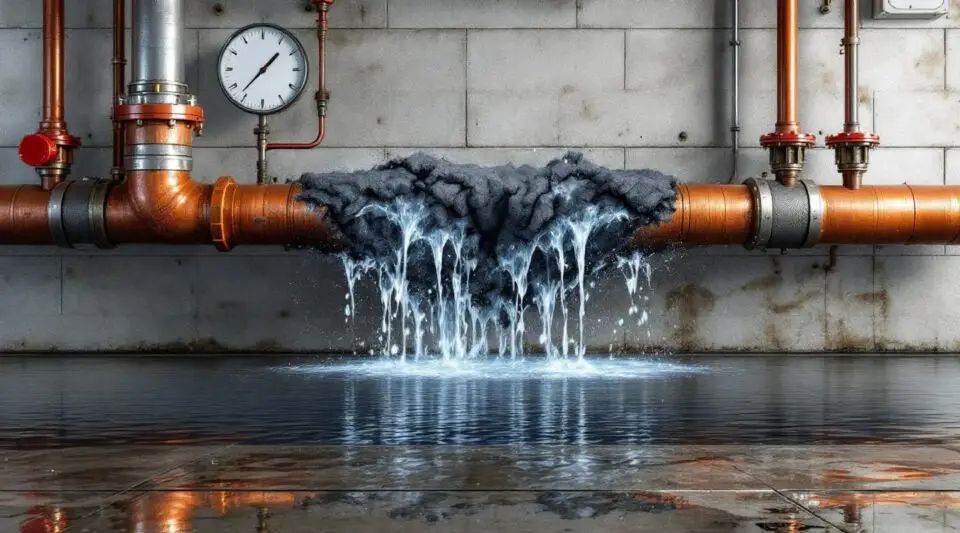
Commercial Pipe Burst Repair
When a pressurized pipe failure occurs in a multi-story office building or a retail center in San Diego, the clock doesn't just tick—it roars.
View Service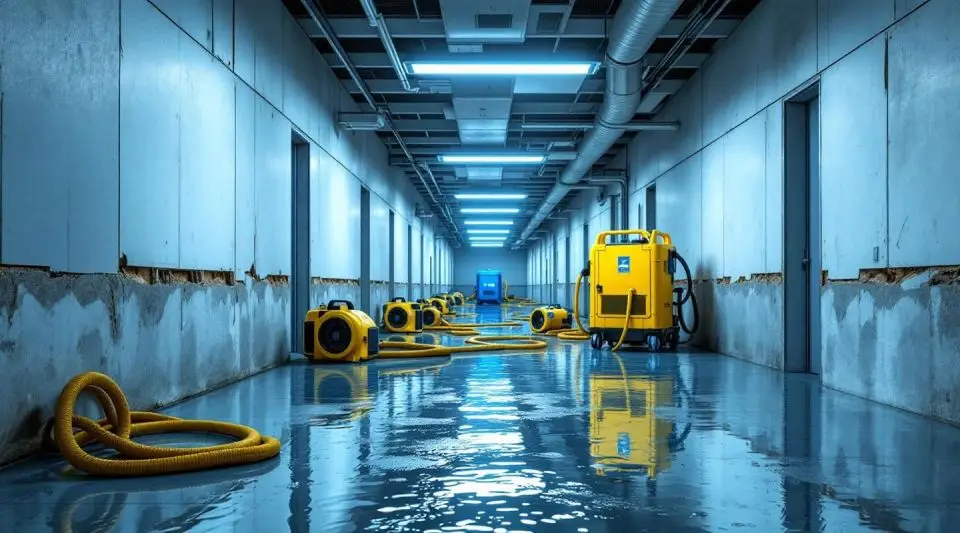
Commercial Water Damage Restoration
When a high-rise in Downtown San Diego or a warehouse in Otay Mesa suffers a major pipe burst or roof failure, the clock starts ticking against your bottom line.
View Service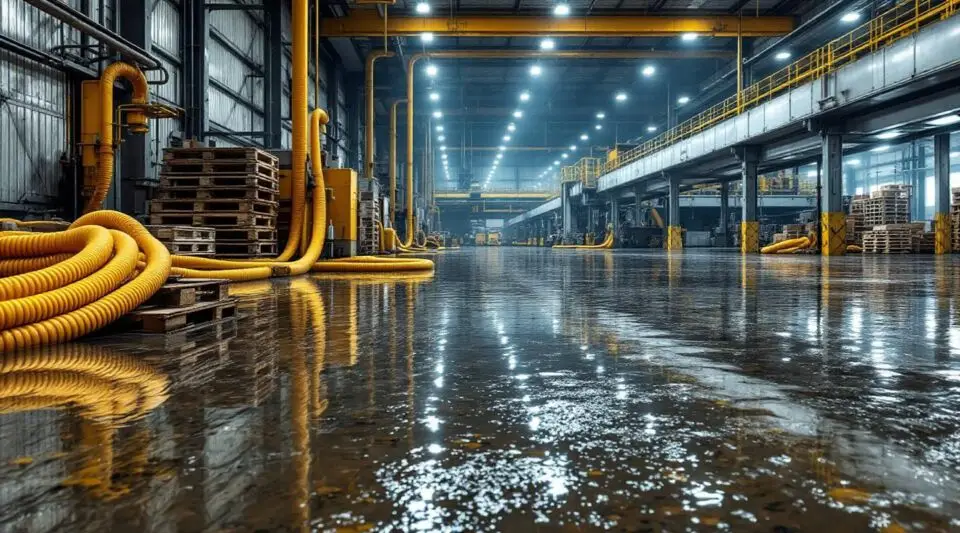
Industrial Flood Cleanup
When an atmospheric river or a massive pipe failure strikes a commercial facility in San Diego, the clock doesn't just tick—it drains your revenue.
View Service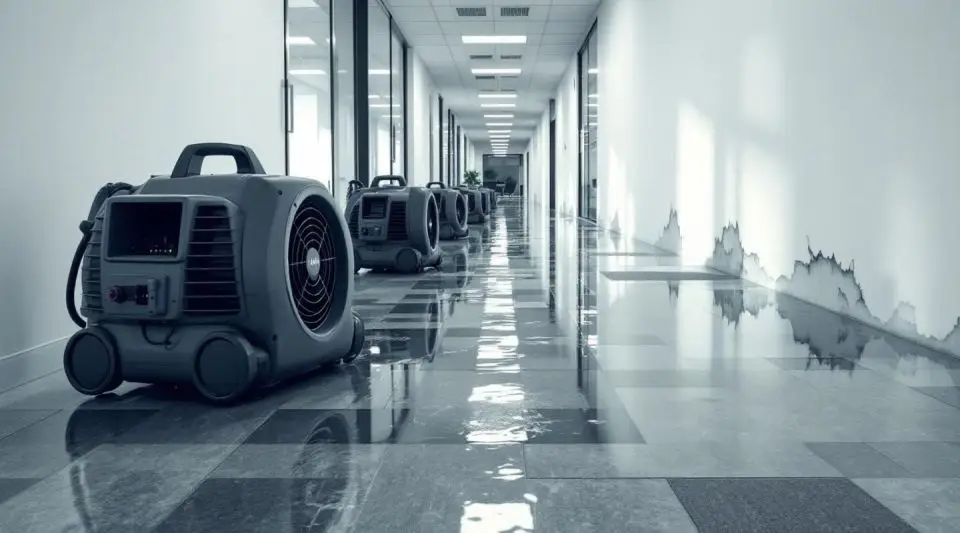
Office Building Flood Repair
When a main supply line ruptures on the upper floor of a San Diego office building, the clock doesn't just start ticking for the physical structure—it starts for your business continuity.
View Service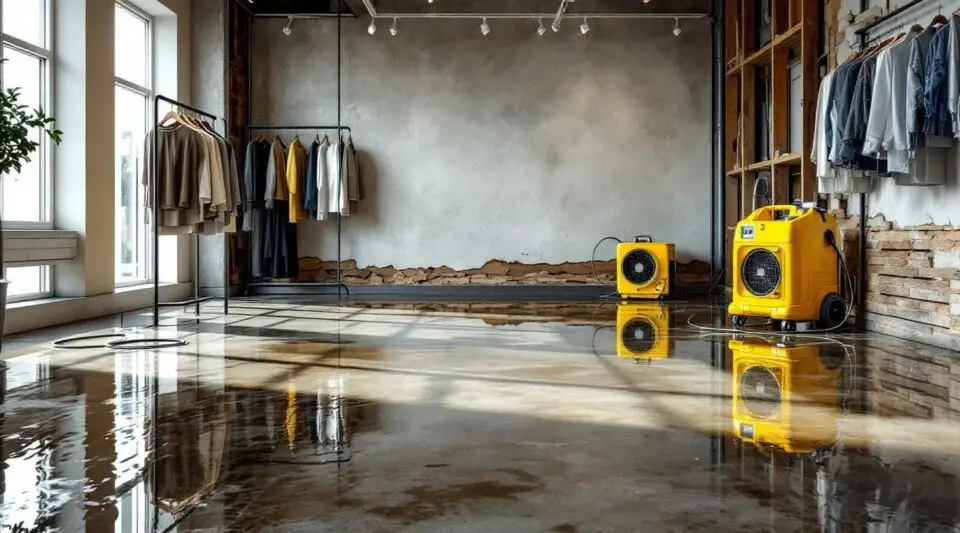
Retail Store Flood Recovery
Imagine walking into your San Diego storefront after a heavy winter storm only to find your showroom floor submerged and your bottom line at risk.
View Service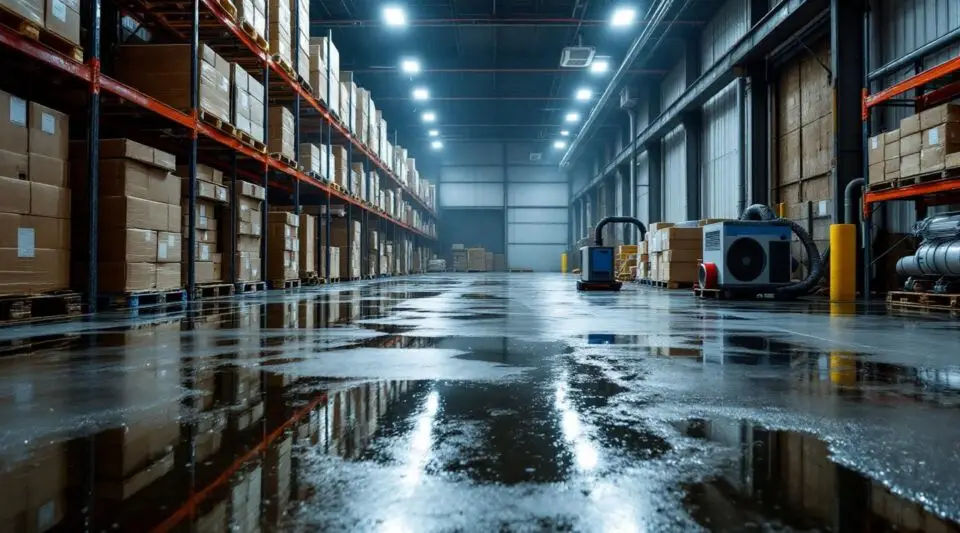
Warehouse Water Damage Cleanup
When an atmospheric river hits San Diego or a main line bursts, your warehouse floor can become a lake in minutes.
View Service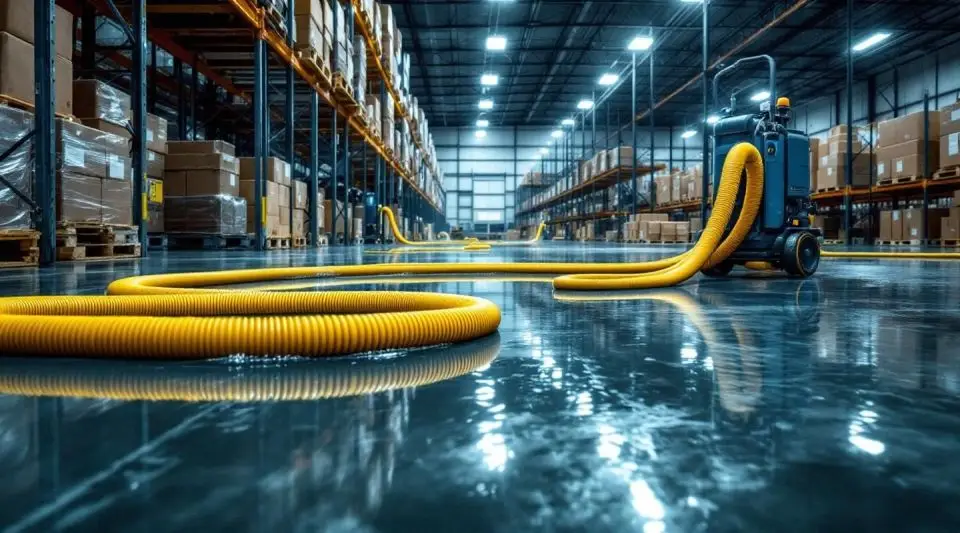
Warehouse Water Extraction
When a main line bursts or a flash storm overwhelms the roof drains of your San Diego facility, the clock starts ticking against your inventory and your concrete slab.
View ServiceProtect Your RevPAR with Rapid Occupancy Restoration
Every hour a block of guest rooms sits offline is a direct hit to your bottom line and a risk to your brand’s reputation. You cannot afford to let moisture linger in the subfloor or behind vinyl wallcoverings where it triggers secondary damage. Our team arrives ready to deploy commercial desiccant dehumidification and begin precise moisture mapping to ensure every square inch of your property is stabilized. We focus on getting your facility back to full capacity without alarming your guests or disrupting your daily operations.
We take the administrative burden off your facility manager by producing the detailed structural drying logs and scope of loss reports that insurance adjusters require for commercial claims. Whether you are dealing with a localized pipe burst in a laundry suite or a multi-floor flood event, we provide the technical expertise needed for a fast, documented recovery. Contact our San Diego specialists today to secure your property and start the drying process immediately.
What They Say About Us:
After discovering mold in our HVAC closet near Balboa Park, this team performed a thorough inspection and completed all necessary repairs. The system is now running perfectly and the unpleasant odor is completely gone from our property.
Marilyn
Expert Mold Remediation and HVAC Repair in San DiegoWhen a major plumbing leak affected two rooms in our Gaslamp District flat, these professionals coordinated seamlessly with our property manager. They handled the entire drying and restoration process efficiently while ensuring our daily routine remained largely undisturbed.
Blanche
Professional Hotel Water Damage Restoration and Plumbing RepairA broken water line damaged our office carpets over the weekend, but the crew arrived in Mission Valley that Monday to start the cleanup. Their quick response to the commercial water damage kept our business downtime to an absolute minimum.
Yuliyan
Rapid Hotel Water Damage Restoration for San Diego BusinessesThe mold remediation performed in our crawl space near La Jolla has significantly improved the overall air quality throughout our home. They successfully sealed off the affected area and resolved all the underlying dampness issues we were facing.
Karla
San Diego Mold Removal and Moisture Control ServicesOur restoration team did an incredible job drying the subfloor and matching our new hardwood after a fridge leak in North Park. We really appreciated their excellent communication and high-quality craftsmanship throughout the entire repair process.
Angela
Hardwood Floor and Subfloor Hotel Water Damage Restoration